What Role Does a CLO Play in Strengthening Corporate Governance?
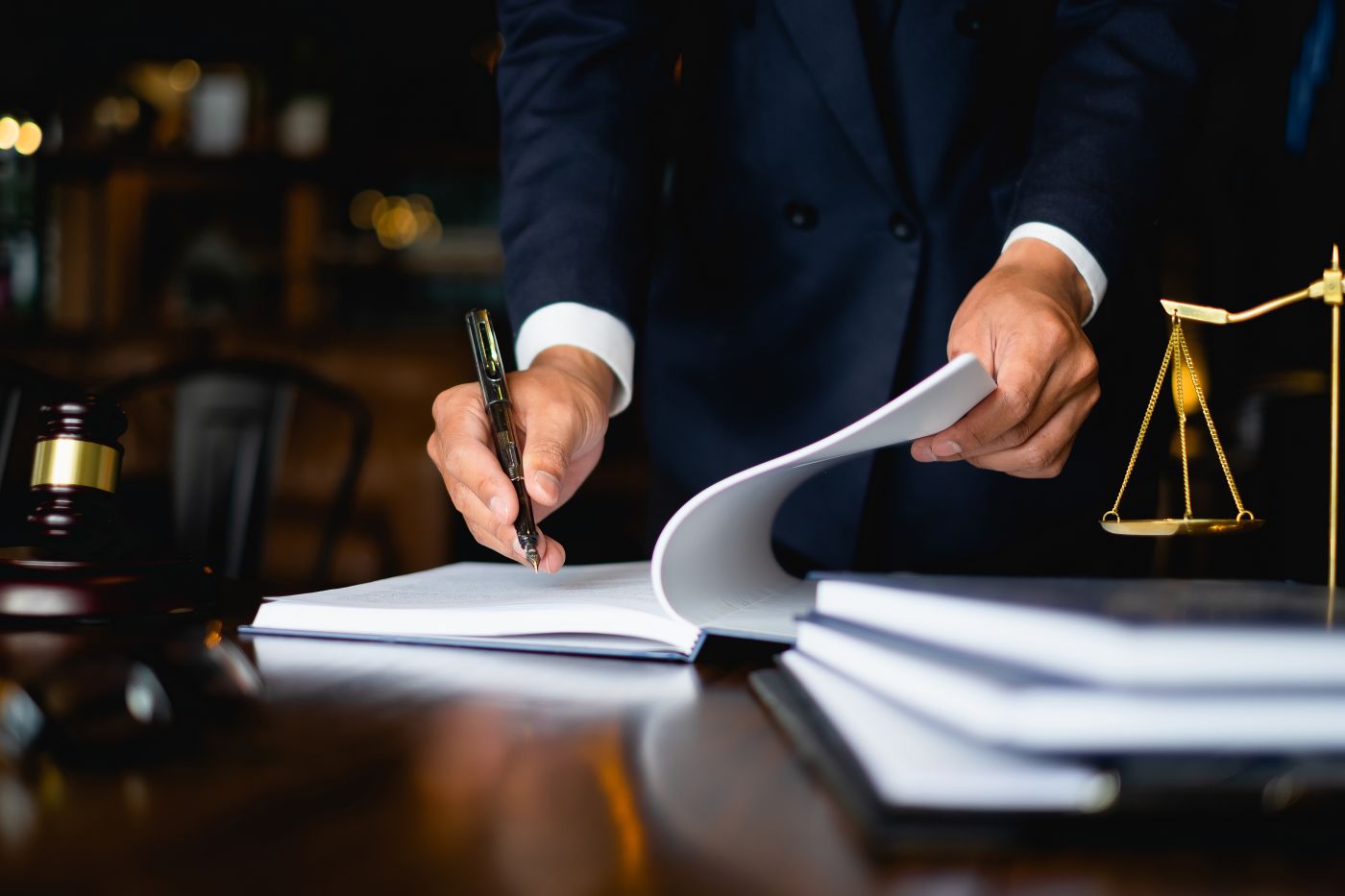
As a strategic advisor to the CEO and other key executives, a Chief Legal Officer (CLO) plays a crucial role in strengthening corporate governance within a business. Corporate governance refers to the system of rules, practices, and processes by which a company is directed and controlled, from its ethical standards to its financial reporting.
The CLO is responsible for ensuring that the company’s operations comply with applicable laws and regulations. This includes advising on legal risks associated with business decisions and providing guidance on regulatory requirements.
At Oberle Law, PLLC, we work closely with businesses of various sizes, advising them on corporate legal matters and the critical importance of good corporate governance. Understanding the role a CLO plays in strengthening corporate governance can shed light on why strong legal leadership is not just a best practice but a necessity for any company serious about long-term success.
Corporate governance is the framework of rules, practices, and processes that guide and control how a company operates. It involves balancing the interests of various stakeholders such as shareholders, management, customers, suppliers, financiers, government, and the community. Good corporate governance ensures that a company operates ethically and transparently while protecting the interests of the involved parties.
The aim of corporate governance is to promote trust among stakeholders and create long-term value for shareholders by safeguarding a company's reputation, fostering investor confidence, and mitigating risks. However, implementing and maintaining effective governance requires diligent oversight, which is where a Chief Legal Officer can help.
The Chief Legal Officer (CLO) is a key member of a company's executive team and is responsible for overseeing the legal aspects and compliance of the organization. A CLO is typically appointed by the board of directors and reports directly to the CEO.
Traditionally, the role of a company's legal department or general counsel was primarily focused on risk mitigation and regulatory compliance. While these aspects remain part of corporate governance, today a CLO is not simply a legal advisor but often a key member of a company's executive leadership team.
Their knowledge directly contributes to shaping the company’s strategy by anticipating challenges, streamlining compliance, and maintaining high levels of ethics, transparency, and accountability within the organization.
In a corporate setting, a CLO can directly impact the way a company is directed and run. While the specific responsibilities may vary depending on the type of business, the primary ways a CLO can help strengthen corporate governance include the following:
A CLO can proactively identify and manage potential legal risks for the organization. This involves staying up to date with changing laws and regulations, conducting thorough risk assessments, and implementing effective risk management strategies. By taking this proactive approach, a CLO can help prevent costly legal issues from arising, ultimately strengthening the organization's overall governance.
A CLO plays an instrumental role in drafting and maintaining organizational policies that promote accountability across all levels of the company. This includes overseeing the development of codes of conduct, making sure leadership adheres to their fiduciary duties to shareholders, and maintaining transparent reporting practices.
Transparency is particularly critical in fostering trust among stakeholders, from investors and boards of directors to employees and customers. The CLO can help ensure that disclosures, financial reports, and other communications meet regulatory standards while also accurately reflecting the company’s operations and goals.
Ethics and compliance go hand-in-hand, and a CLO is often responsible for providing a moral compass for the organization. They can help ensure that the company's decisions are not only legally sound but also align with the organization’s values and ethical commitments. A culture rooted in strong ethics promotes trust, attracts loyal stakeholders, and enhances long-term organizational sustainability.
A CLO can also be instrumental in creating and implementing whistleblower programs, anti-corruption policies, and diversity and inclusion initiatives. These efforts often help build a company-wide culture of integrity and accountability, further strengthening the company's governance framework.
A CLO serves as a key advisor to the board of directors by providing guidance on matters from governance best practices to strategic risks. This partnership helps ensure that the board is well-informed and equipped to make decisions that align with the company’s mission and legal obligations.
In today's world, boards of directors increasingly look to their CLOs for insights into crisis management, mergers and acquisitions, and shareholder activism. By fostering open communication between the board and executive leadership, a CLO can help bridge the gap between strategy and implementation, enabling stronger governance across the business.
No business is immune to challenges. When crises arise, whether a cybersecurity breach, regulatory investigation, or public relations scandal, a company’s governance framework is often put to the test. A CLO can help navigate these situations, often by coordinating with internal and external stakeholders, managing communications, and making sure the company adheres to the necessary legal requirements.
By having contingency plans and crisis management protocols already in place, a CLO helps the company respond swiftly and effectively to minimize damage. Ultimately, this level of preparedness reinforces the company’s resilience and ability to operate sustainably.
Corporate governance is about more than internal processes—it also encompasses how a company interacts with its external stakeholders. A CLO works to strengthen relationships with investors, regulators, customers, and suppliers by ensuring transparency, compliance, and ethical conduct throughout all interactions.
For example, a CLO may work on aligning environmental, social, and governance (ESG) initiatives with the company’s broader operational goals. These initiatives are increasingly important to shareholders and the public. Therefore, the CLO's involvement in their development and implementation is often essential to effective governance.
Ultimately, a strong CLO plays a vital role in promoting and achieving a company’s legal, ethical, and strategic goals. They serve as a trusted advisor, a risk mitigator, and an advocate for accountability and transparency, which can fundamentally strengthen a business's corporate governance framework.
At Oberle Law, PLLC, we believe that businesses thrive when they have the right people in the right roles. If your organization is striving to foster trust, reduce risk, and promote ethical leadership, investing in a CLO is a key strategic decision.
If you’re interested in learning more about how strong legal leadership can benefit your business or have questions about corporate governance, reach out to us today at Oberle Law, PLLC. Located in Bohemia, New York, we serve clients throughout Suffolk County and the United States. Call now.